“So save up.”
01 / THE WHOLE STORY
Start at the beginning.
This is the complete meme-like exchange: an elderly father, his 43-year-old son, and a familiar piece of advice that sounds sensible until the final operation.
“Why are you still renting?”
“A starter home here is $410,000.”
“So save up.”
“The down payment alone is $82,000.”
“That’s not so bad. Break it into pieces.”
“After rent, insurance and daycare, I can save about $400 a month.”
NOW—AND ONLY NOW—BREAK THE STORY DOWN.DARE TO DIVIDE.
The elderly father could divide. The 43-year-old son supplied every number. What was missing was the trigger to construct the ratio.
02 / THE AGENCY WALL
The hard question is not how much?
THE GIVEN FRAME$82,000
“A lot, but achievable.”
THE RELATIONSHIP÷ $400/mo
205 months · 17.1 years
The father could divide. What was missing was the trigger to construct the ratio.
03 / MEDIA & THE FRAME
Every number arrives with a camera angle.
A total can sound enormous. A percentage can sound tiny. A monthly figure can hide a lifetime. Framing chooses the relationship before you do.
Tap each lens. The facts stay fixed; the judgment moves.
04 / IDENTITY & TMT
Some frames feel like shelter.
Terror Management Theory asks how reminders of vulnerability can strengthen attachment to familiar worldviews. Here it is a limited hypothesis—not a diagnosis and not a universal explanation.
1
→A ratio threatens a familiar story.
2
→The story protects identity or order.
3
Rejecting the ratio feels safer than updating.
05 / CHOOSE THE NEXT MOVE
Keep the frame—or test it?
Choose a path to reveal what happens to the story.
06 / BUILD YOUR OWN DENOMINATOR
Turn money into time.
Change either quantity. The relationship updates immediately.
÷
=
07 / COGNITIVE PRESSURE
The wall can move.
Attention, working memory, processing speed, stress, illness, and fatigue change how much effort is available for constructing a relationship.
AVAILABLE CAPACITY
COVID and Long COVID belong here as possible cognitive pressures, not as the master explanation. Media remains the larger environmental layer because it can shape the supplied interpretation for everyone.
THE PRESENT-DAY PUNCHLINE
Then reality writes its own joke.
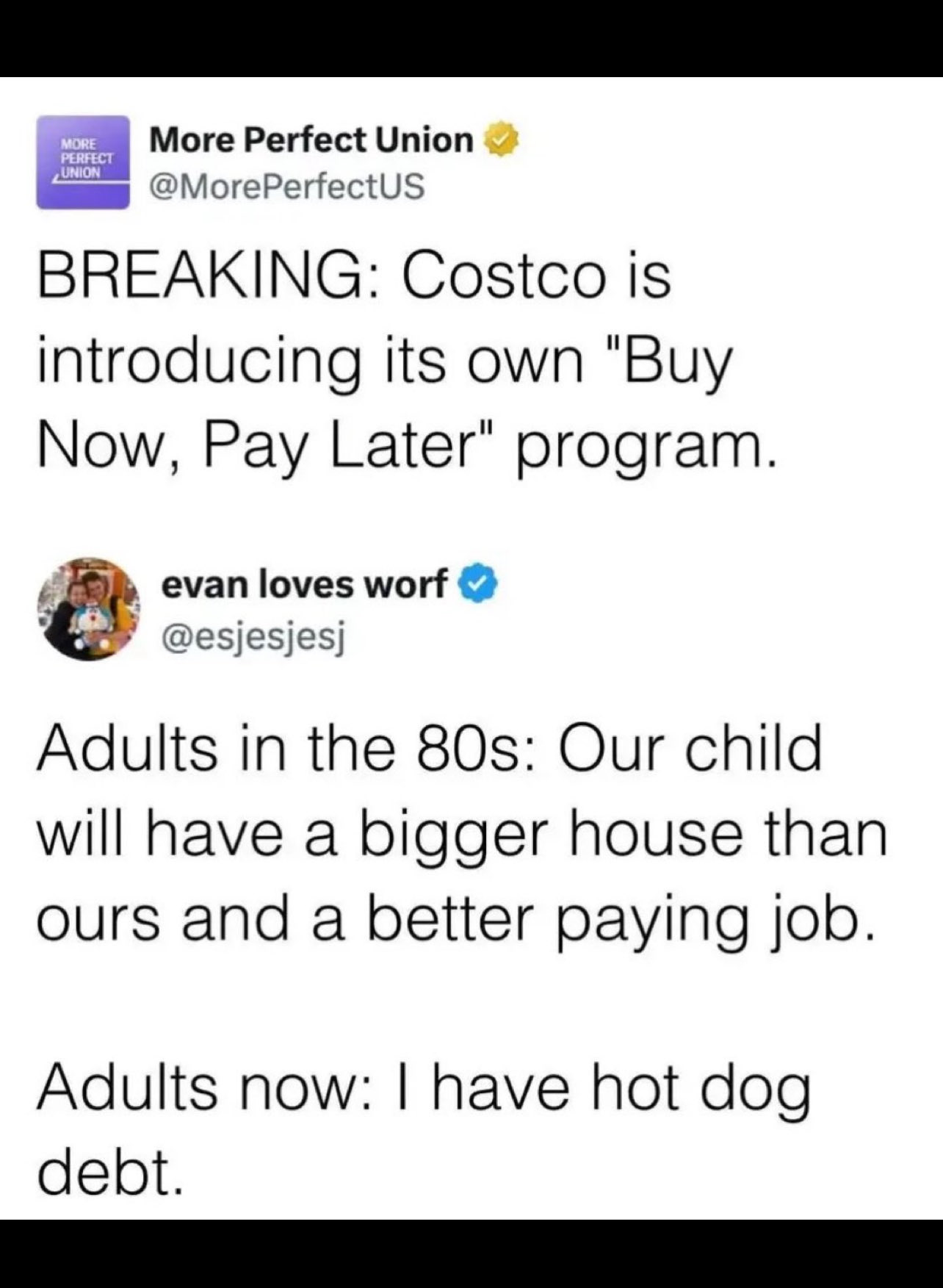
The promise was a bigger house and a better-paying job. The contemporary headline is buy now, pay later—for Costco.
08 / THE REFLEX
A population can know the numbers, pay the bills, understand the stakes—and still lose agency if it stops constructing its own ratios.
THE DENOMINATOR IS WHERETHE STORY
BECOMES
TESTABLE.
BECOMES
TESTABLE.